

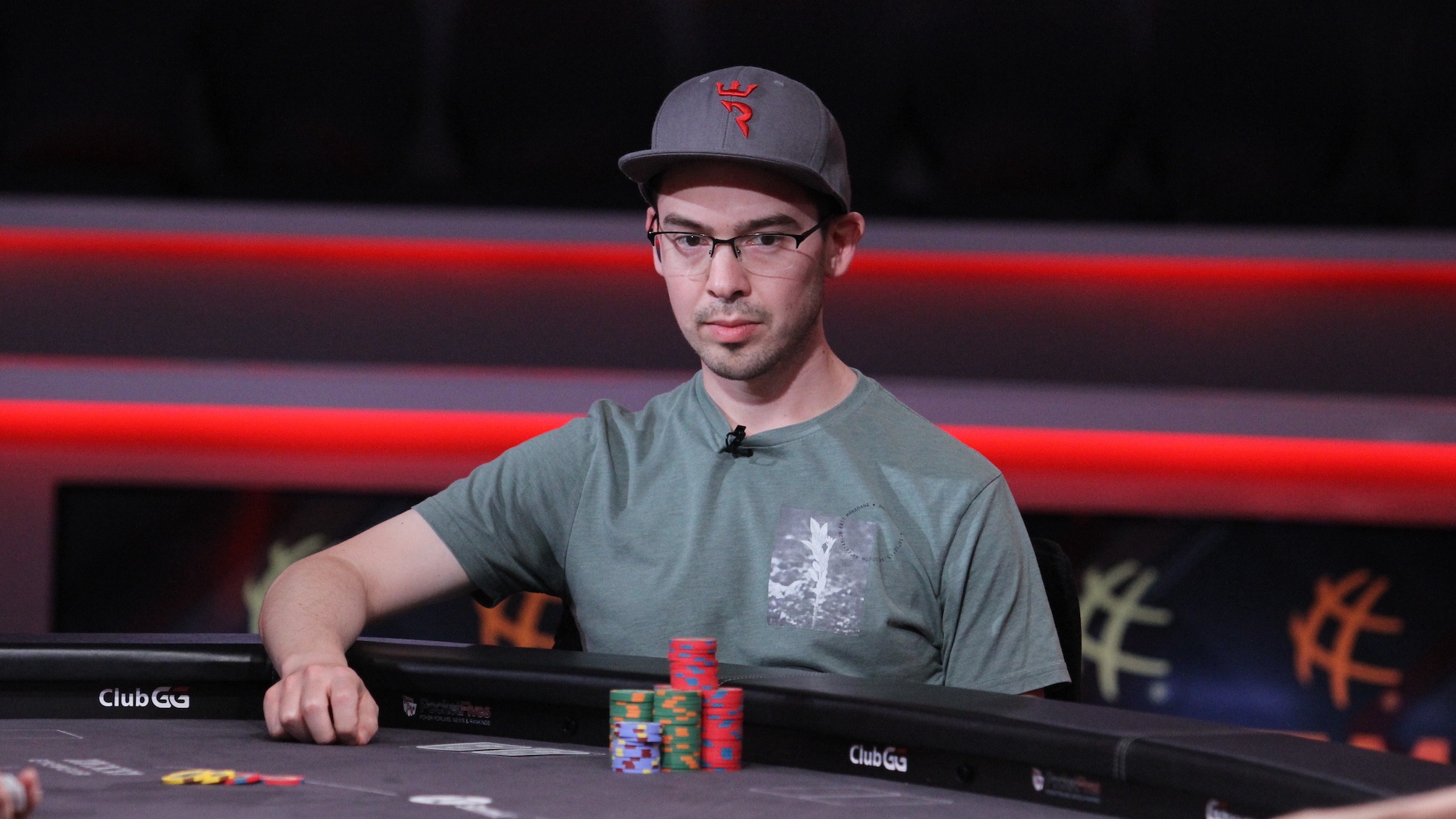
Kevin Rabichow is among those players and coaches who don't see poker merely through the outcome of a single hand. In the GTO Lab podcast, he discussed how he evolved from a heads-up specialist to one of the most respected poker coaches, explaining why mastering the game can often be more complex than just playing it. The conversation touched on solvers, live reads, database reviews, tournament preparation, and decision-making psychology.
From Heads-Up to Elite Coaching
Rabichow's poker journey began during a time when heads-up poker was considered one of the purest forms of a one-on-one showdown. He reminisced about the days when analysis went beyond just ranges and included game flow, the initial 3-bet, the first 4-bet, and the psychological dynamics between two opponents. Heads-up provided him with the ability to perceive poker as a dynamic clash rather than just a collection of charts. This foundation seamlessly transitioned into his coaching and tournament poker.
Interestingly, Kevin doesn't dismiss modern theory but emphasizes that it's not enough on its own. He believes players need to master technical fundamentals while also understanding what's happening in real-time at the table. Following a learned pattern without adaptation can quickly lead to trouble when they encounter a situation they don't know how to handle. This, according to him, is where the distinction lies between a player who just knows answers and one who truly understands the process.
What Makes a Good Coach
Today, Rabichow primarily functions as a coach, focusing on not molding players into his image. In the interview, he emphasized that a quality coach must first understand the individual they're coaching, their goals, learning style, and current level. It’s not enough to simply showcase one’s knowledge to prove expertise. Good coaching, he believes, begins when a coach shifts the focus from themselves to finding ways to help their student reach their best version. “I needed to know more about the people I coach and talk less about what I know.”
He dedicated a large portion of the discussion to issues facing today's poker education. He criticized overly formulaic strategies promising simple answers to complex situations. Players, he said, often learn that in a particular spot, they should automatically bluff or bet a specific sizing line, but stop thinking about what’s actually happening in the hand. This approach might work short-term but limits players in the long run.
Structure, Discipline, and the Will to Work
One of the episode's strongest themes was motivation. Rabichow and Jonathan Jaffe agreed that without a dedication to the work itself, becoming a truly skilled player is difficult. It's not enough to desire results or focus on big tournaments or higher buy-ins. Players need to find a way to enjoy studying, the process, reviewing their play, and uncovering their own leaks.
Kevin also discussed the intriguing idea of a “poker season.” Instead of players jumping chaotically from one event to another and only studying a week before the WSOP, he suggests approaching poker like athletes do. There should be a playing period, a short break, off-season preparation, game analysis, and then a return to another series. For many players, this structure could be what’s been missing long-term.
In the GTO Lab podcast, Rabichow demonstrated that modern poker will continue to advance towards better tools, more precise solvers, and deeper data work. Yet, he also suggested that it will become even more crucial to know when not to rely solely on a chart or a learned pattern. Players looking to grow will need to combine technical fundamentals, psychology, live information, database reviews, and a clear study structure. Without this, they risk becoming mere executors of others’ strategies.
More from GTO Lab Podcast
Kayhan Mokri: If Everyone Uses the Same Tools, Find Your Edge Elsewhere
Seth Davies: Poker Teaches You a Lot, But You Have to Grow Up Away from the Table
Stephen Chidwick: Why Results Are Deceptive and Decisions Matter More
Ike Haxton: Precise Sizing Doesn’t Matter, the Real Edge is a Calm Mind
Alex Kulev: What You Need to Change in Your Mindset to Make the Leap to High Stakes
Leon Sturm: Independent Thinking in the High Roller Scene
Orpen Kisacikoglu: Solvers Provide Quick Answers, But Take Away the Thinking Process
Alex Ponakovs: Why Independent Thinking is More Important Than Blindly Following Solvers
Nick Petrangelo: In $100k Events There Aren't Weak Players Anymore, So There's More Work to Do
Daniel Negreanu: Being at the Top of Poker for Years is Hard Work, Not Luck
Fedor Holz: I Used to Want Wins, Titles, and Money. Today I Want Happiness
Sources – Podcast GTO Lab, Flickr, CardPlayer

