

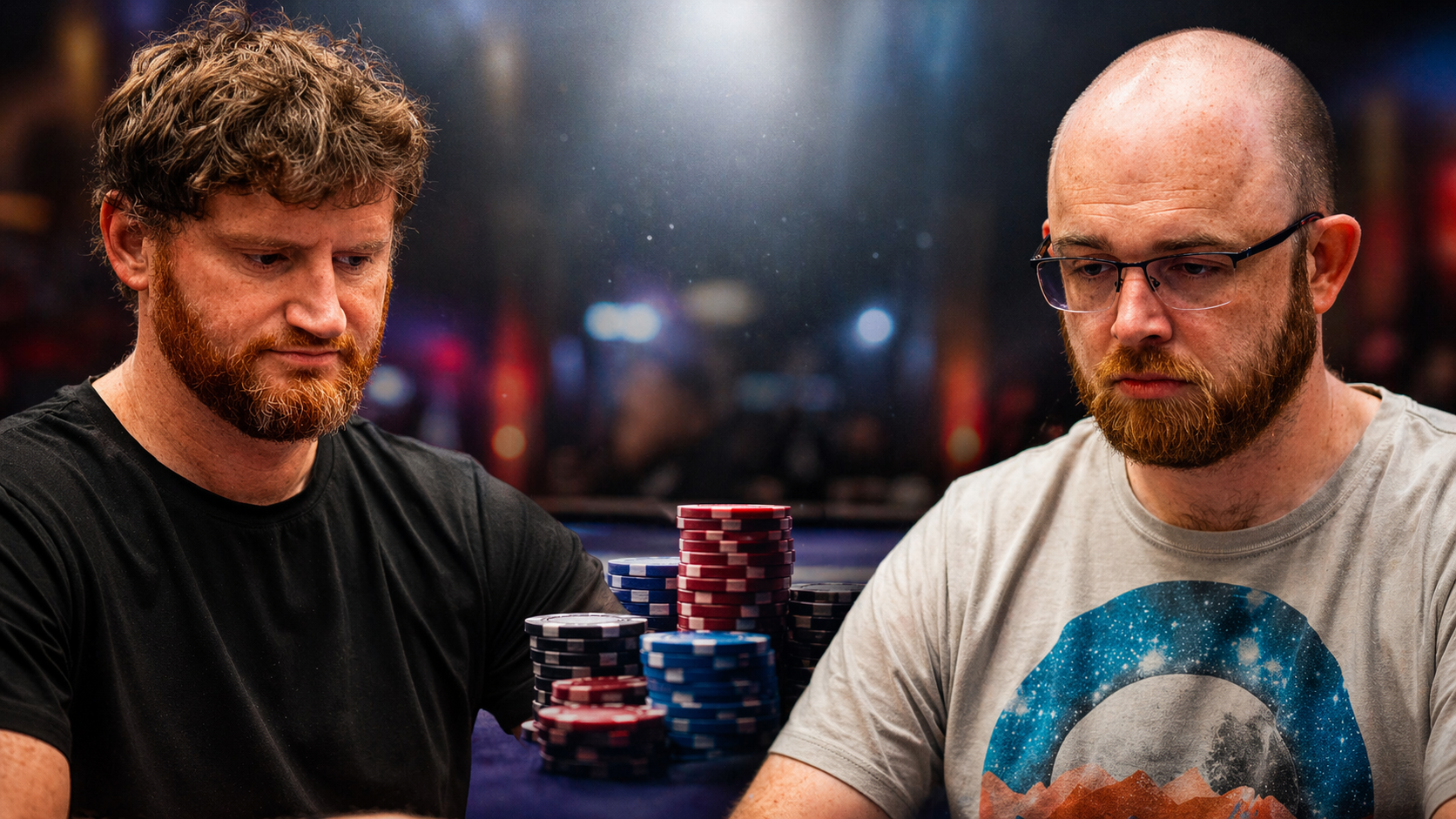
Recently, the poker world hasn't been buzzing about a major final table or record-breaking triumph, but rather a troubling backstage drama that once again opened up one of the most sensitive topics in the modern high stakes scene. Dylan Linde publicly accused David Peters of not paying him money owed from a staking deal connected to last year's Triton tournament. According to Linde, it was a sum of $50,000, of which Peters allegedly only paid about half and refuses to settle the rest. Linde also mentioned that there are complete records to back up these claims, though he has yet to release them to the media.
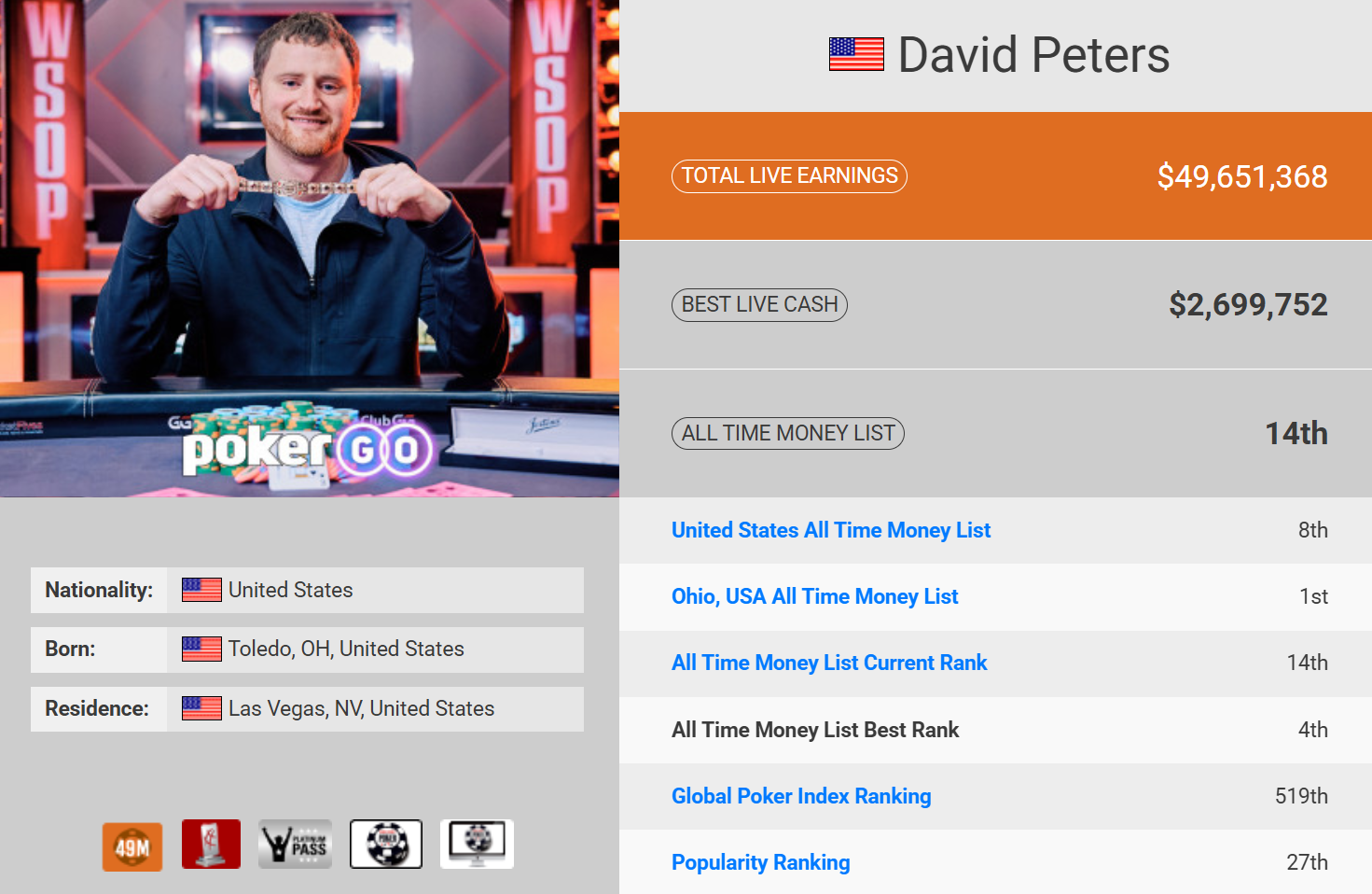
The involvement of the main figurehead has drawn significant attention. David Peters is one of the world's most successful tournament professionals, with nearly $50 million appearing next to his name on Hendon Mob. Linde's accusation created a stark contrast between the public image and what allegedly happens behind closed doors. This moment also reignited an old debate: how much of these massive results are real profits, and how much is an illusion created by high buy-ins, stake sales, and backstage financial deals?
1/x I deeply regret doing business with David Peters. Last summer David purchased a piece of the 50k PLO WSOP that I won. I paid him out a large amount, in cash, a couple days later. A few months later I’m at Triton Jeju and David buys a piece of my two main events (NL & PLO)
— Dylan Linde (@DylanLinde) April 21, 2026
Click on the post for the full story
Mike Matusow, who already last year called the high roller circuit “fake” and the huge tournament wins mere theater, added more fuel to these claims. Many fans view those wins more as a mirage than a true depiction of actual earnings. Linde's accusation breathed new life into this narrative. If a player with such a reputation and cashouts faces public accusations of unpaid debt, part of the community starts questioning whether publicly available figures of tournament winnings are really as reliable indicators of financial health as they often appear.
Peters Breaks the Silence
While Peters initially remained silent amid the first wave of reactions, he has now issued a public response, significantly changing the tone of the entire saga. David Peters admitted on social media platform X that he mishandled the situation, apologized for his decisions, and for allowing the matter to reach a point where Linde lost trust and decided to go public. He also mentioned that he is working on settling the remaining debt as soon as possible and aims to “make things right” and regain the community's trust.
This is a critical juncture. Peters did not deny the accusations, dispute the existence of the issue, or go on the defensive as is often seen in similar disputes. Instead, he admitted failure in communication and the resolution of the obligation. He acknowledged that he found himself in a bad situation, exacerbated things, communicated poorly, and failed to meet promised deadlines. However, his statement did not provide a specific timetable for paying off the remaining amount, indicating that while the story has progressed, it is far from closed.
1) I wanted to address the Dylan situation. I deeply regret the choices that I made that led to him not trusting that he was going to get paid back and felt the need to post about it. I’m sure that wasn’t an easy thing to do and I should have never allowed it to get to that point
— David Peters (@dpeterspoker17) April 22, 2026
The entire case extends beyond a single debt between two renowned players. While Matusow stands on one side with his version of a “show,” it doesn't automatically mean that the entire high roller ecosystem is “fake.” Responses to this topic have also included more moderate voices. Shaun Deeb suggested that potential financial issues of Peters don't automatically mean he is a losing tournament player. Josh Arieh rejected the idea that one case should serve as universal proof of the dysfunction of the entire MTT environment.
If Peters manages to settle the debt soon, this story might remain recorded as a serious personal and reputational failure that was still corrected. However, if he stops at just apologies without concrete results, this episode may become further evidence that even behind the sheen of $50 million in live cashouts, reality can be much more complicated than it appears to fans at first glance.
Sources – X, PokerNews, Flickr/WPT, TheHendonMob

